Küçük Hücre Kulesi
- , tarafından Paul Waite
- 11 dk okuma süresi
Küçük hücre kuleleri; şehirler, kampüsler, etkinlik alanları ve işletmeler genelinde 4G LTE ve 5G ağlarını yoğunlaştırmak için tasarlanmış, düşük güçlü, kısa menzilli hücresel baz istasyonlarıdır. Şehir silüetlerine hakim olan geleneksel makro hücrelerin aksine bu kompakt kurulumlar, sokak seviyesinde; aydınlatma direkleri, trafik ışıkları, bina cepheleri ve diğer mevcut altyapılar üzerine monte edilerek çalışır. Üstel veri talebiyle karşı karşıya olan mobil ağ operatörleri için küçük hücre kurulumları, makro kapsamanın tek başına yetersiz kaldığı durumlarda gelişmiş mobil geniş bant hizmeti sunmak adına hayati önem kazanmıştır.
Küçük hücre kulesi; genellikle tam kapsamlı makro kuleler değil, entegre telsizler ve antenler barındıran direk veya sokak seviyesindeki kurulumları ifade eder. Bu üniteler, 250 mW ile yaklaşık 5 W arasında değişen güç seviyelerinde yayın yaparak, iç mekanlarda onlarca metreden kırsal mikro hücre uygulamalarında yaklaşık 2 km'ye kadar kapsama alanı sağlar. Genellikle pizza kutusu büyüklüğündeki ekipmanlara benzetilen kentsel altyapıyla bütünleşme yetenekleri, yapısal güçlendirme veya kapsamlı imar tartışmaları olmaksızın kurulum yapılmasına olanak tanır.
Küçük hücre kuleleri, trafiğin yoğun olduğu veya ulaşılması zor konumlarda ağ kapasitesini ve spektral verimliliği artırarak geleneksel makro hücreleri tamamlar. Aşırı yüklenmiş makro sahalarındaki yoğunluğu azaltır, binalar ve kentsel kanyonlarda kapsama alanını iyileştirir ve metrekare başına daha fazla kullanıcıyı destekler. RAN planlamacıları, OSS/BSS mühendisleri, kule sahipleri ve kurumsal ağ ekipleri gibi telekom profesyonellerini hedefleyen bu makale; kurulum hususlarını, ağ mimarisi entegrasyonunu ve operasyonel zorlukları incelemektedir.
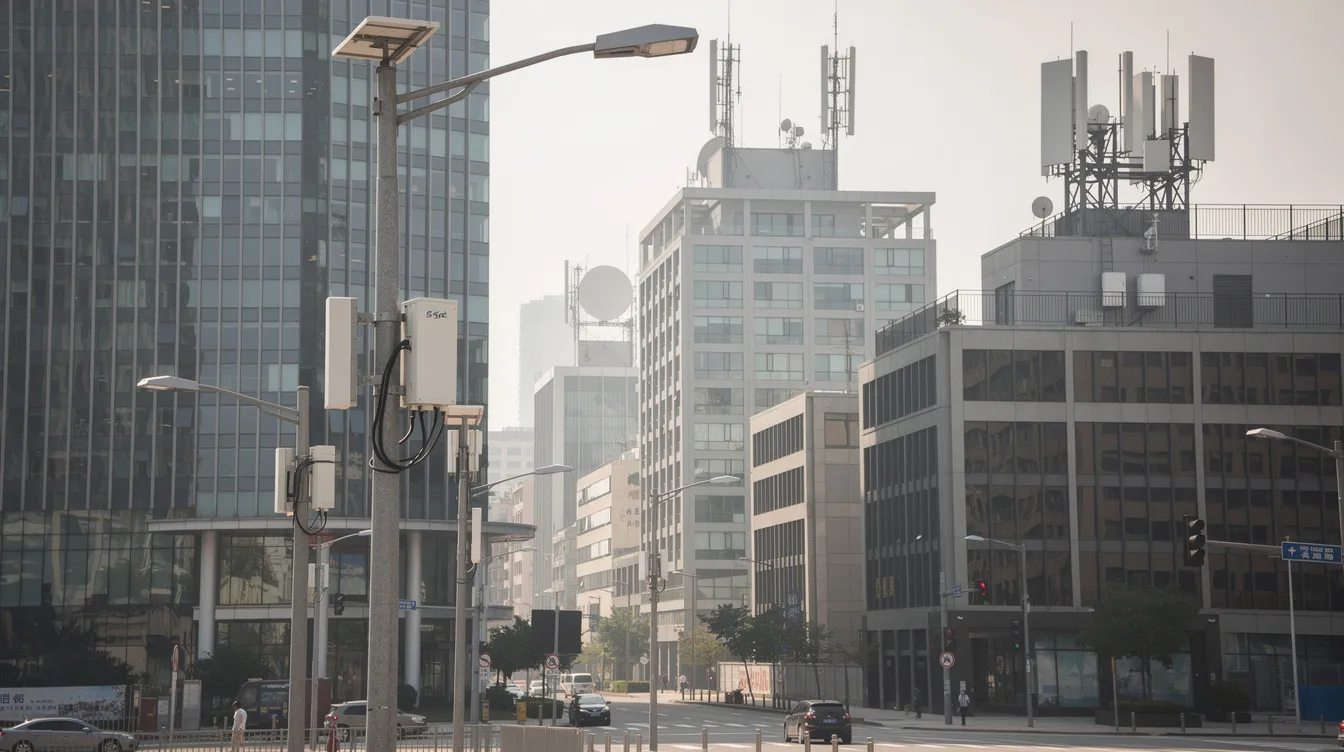
Küçük Hücre ve Makro Hücre Kuleleri
Makro kuleler ile küçük hücre kuleleri arasındaki farkı anlamak, ağ mimarisi planlaması için temeldir. Makro kuleler kafes veya monopol yapılar olarak 20–80 metre yüksekliğinde dururken, küçük hücre kuleleri 4–15 metre yükseklikte sokak mobilyası olarak veya tavan seviyesinde iç mekan düğümleri olarak çalışır.
Temel farklar şunlardır:
-
Kapsama yarıçapı: Makro hücreler 1–5 km'ye ulaşan geniş alanları kapsarken, küçük hücreler 10 metreden 2 km'ye kadar olan daha küçük alanları doldurur
-
Hücre başına kapasite: Makrolar sektör genelinde binlerce eşzamanlı kullanıcıyı yönetirken, küçük hücreler düzinelerce ila yüzlerce kullanıcı için metrekare başına veri iletim hızına öncelik verir
-
Güç tüketimi: Makro sahaları onlarca kilovat güç tüketirken, küçük hücreler düğüm başına 5W'ın altında enerji çeker
-
Saha ayak izi: Makrolar özel arazi ve kapsamlı imar izni gerektirirken, küçük hücreler mevcut altyapıya entegre olur
-
Kurulum yoğunluğu: Yoğun kentsel alanlarda her 1–5 km'de bir makro hücreye karşılık her 100–300 m'de bir küçük hücre bulunur
Küçük hücre kuleleri, trafiğin yoğun olduğu noktalardaki yükü hafifleterek tıkanıklığı azaltır ve verim, gecikme süresi ve radyo bağlantı hata oranları dahil olmak üzere temel performans göstergelerini (KPI) iyileştirir. Sokak direği piko hücreleri kullanan Avrupalı operatörler, şehir merkezlerinde radyo bağlantı hatalarında (RLF) %40 azalma bildirdi.
Her iki katman da heterojen bir ağda temel olmaya devam etmektedir. Makro hücreler otoyollar boyunca ve geniş alanlarda geniş kapsamlı hücresel erişim sağlarken, küçük hücreler yerel yüksek kapasite sunar ve kapsama derinliğini artırır. Gerçek hayattan örnekler arasında şehirler arası yollardaki makro kapsama alanı ile stadyumlar, ulaşım merkezleri ve sinyallerin yüksek binalar arasında sektiği kentsel kanyonların çevresinde kümelenmiş küçük hücre kuleleri sayılabilir.
Küçük Hücre Türleri (Femto Hücre, Piko Hücre, Mikro Hücre)
Üç ana RAN küçük hücre sınıflandırması olan femto hücre, piko hücre ve mikro hücre; güç, kapsama alanı ve kullanıcı yükü açısından farklılık gösterir. Saha uygulamasında, dış mekan kapsama çözümleri olarak direkler ve sokak mobilyaları üzerinde genellikle mikro hücreler ve piko hücreler kullanılır.
Tüm küçük hücre türleri, donanım ve bant planlamasına bağlı olarak 4G LTE, LTE-A ve 5G NR (FR1 ve bazen FR2) standartlarını destekleyebilir. Lisanslı spektrum, paylaşımlı spektrum veya CBRS tahsisleri üzerinde çalışabilirler. Ağ mühendisleri, kapsama alanı gereksinimlerine, eşzamanlı kullanıcı ihtiyaçlarına ve arka plan taşıma (backhaul) kullanılabilirliğine göre tür seçimi yapar.
Mikro Hücreler
Mikro hücreler, genellikle açık alanlarda direkler, bina duvarları veya 6–20 metre yüksekliğindeki kısa direkler üzerine kurulan en büyük küçük hücrelerdir. Kapsama alanı, açık veya banliyö bölgelerinde 2–2,5 km'ye kadar uzanır ve yoğun şehirlerde genellikle birkaç yüz metreye kadar sıkışır. Spektrum konfigürasyonuna bağlı olarak yüzlerce aktif kullanıcıyı destekleyebilirler.
Güç seviyeleri ve antenler, makro RRU/RRH kapasitelerine yaklaşır ancak azaltılmış EIRP (etkili izotropik ışınım gücü) ve kısıtlı imar ayak izine sahiptir. Mikro hücreler genellikle, tam makro hücre sahalarının pratik olmadığı veya toplumdan tepki gördüğü yerlerde, yoğun şehir yolları, üniversite kampüsleri ve endüstriyel parklar boyunca kapsama alanını genişletir.
Piko Hücreler
Piko hücreler tipik olarak yaklaşık 250 metreye kadar yarıçapa sahip tek bir binayı, geniş bir alanı veya katı kapsar ve birkaç düzine aktif kullanıcıyı destekler. Kablolu fiber veya Ethernet üzerinden bağlanırlar ve genellikle alışveriş merkezlerinde, hastanelerde, ofis binalarında ve havaalanlarında kurulurlar.
İç mekan küçük hücreleri, merkezi SON/EMS platformları tarafından kontrol edilen kurumsal sistemlerin bir parçası olarak tavanlara, duvarlara veya iç mekan direklerine monte edilebilir. Kentsel sokak mobilyaları (kısa direkler, otobüs durakları) üzerindeki piko hücreler, dış mekan kapsama boşluklarını kapatır ve yaya seviyesinde bağlantı performansını iyileştirir.
Femto Hücreler
Femto hücreler, evler, mikro ofisler veya küçük konut ve perakende yerleri için tasarlanmış, 10–50 metreyi kapsayan çok düşük güçlü, tak-çalıştır baz istasyonlarıdır. Mevcut geniş bant altyapısı (DSL, kablo, fiber optik kablo) üzerinden bağlanırlar ve trafik, MNO (mobil ağ operatörü) çekirdek ağına sabitlenir.
Birçok operatör, Wi-Fi üzerinden arama ve makro yoğunlaştırmayı tercih ederek 2018–2022 yılları arasında konut tipi femto hücre programlarını aşamalı olarak sonlandırdı. Ancak, güvenli IoT uygulamaları için kurumsal femto benzeri çözümler varlığını sürdürmektedir. Tarihsel olarak femto hücreler iç mekan mobil trafiğinin yükünü hafifletmeye yardımcı olsa da, güncel 5G küçük hücre kulesi tartışmalarında daha az merkezi bir konumdadır.
Küçük Hücre Kuleleri RAN Mimarisinde Nasıl Çalışır?
Küçük hücre kuleleri, operatörün RAN'ının (Radyo Erişim Ağı) ayrılmaz parçaları olarak işlev görür ve kullanıcı ekipmanını fiber, mikrodalga veya Ethernet üzerinden fronthaul, midhaul veya backhaul ile çekirdek ağa bağlar. Erişim katmanını merkezi işlemeye bağlayan uzak radyo üniteleri olarak görev yaparlar.
Tipik bir küçük hücre kulesindeki ana bileşenler şunlardır:
-
Entegre radyo ünitesi (veya ayrı RU)
-
Panel veya çok yönlü (omnidirectional) antenler
-
İsteğe bağlı pil yedeklemeli güç kaynağı
-
Arka plan taşıma (backhaul) sonlandırma ekipmanı
Taşıyıcı birleştirme (carrier aggregation), Massive MIMO (sub-6 GHz'de 64T64R'ye kadar) ve huzme şekillendirme (beamforming) gibi gelişmiş teknikler, spektral verimliliği artırır ve iç mekan kapsamasını iyileştirir. Operatörler, hızlı kurulum için LTE makro hücrelerine bağlı standart olmayan (NSA) modda 5G küçük hücreleri veya yerel dilimleme özellikleri için doğrudan 5G çekirdek bağlantılı bağımsız (SA) modda kurulum yapabilirler.
Küçük hücrelerle ilgili temel 3GPP sürümleri; ilk 5G NR için Sürüm 15'i, URLLC ve mMIMO iyileştirmeleri için Sürüm 16–17'yi ve yapay zeka destekli parazit giderme konusunu ele alan Sürüm 18'i içerir. Makro hücrelerle koordinasyon; eICIC/FeICIC, CoMP ve paraziti ve komşu ilişkilerini yöneten SON algoritmaları aracılığıyla sağlanır, böylece yoğun pilot uygulamalarda 20–30 dB parazit azaltımı elde edilir.
Küçük Hücre Kuleleri İçin Kurulum Senaryoları
Operatörler, makro kapsamanın olduğu ancak kapasite, iç mekan sinyali veya gecikme süresi KPI'larının yetersiz kaldığı durumlarda küçük hücre kuleleri kurar. Yeni küçük hücreler, makro hücrelerin ekonomik olarak çözemediği belirli kapsama ve kapasite boşluklarını giderir.
Yaygın kurulum senaryoları şunlardır:
-
Yoğun şehir merkezleri: Sokak seviyesinde her 150 m'de bir C-bandı/3,5 GHz küçük hücreler
-
Spor stadyumları: 50.000'den fazla taraftara yüksek hız sunan 10 metrelik direklerde mmWave kümeleri
-
Ulaşım merkezleri: Havaalanları ve istasyonlarda düşük gecikmeli bağlantı için 8 metrede CBRS piko hücreler
-
Üniversite kampüsleri: IoT ve veri kapsamını destekleyen 15 metrede mikro hücreler
-
Endüstriyel bölgeler: Otomasyon ve diğer hizmetler için özel 5G kümeleri
Görüş hattı, binalardan ve bitki örtüsünden kaynaklanan tıkanıklıklar ve sokak kanyonu etkileri, yerleşim kararlarını güçlü bir şekilde etkiler. Belediyeler ve kamu hizmeti kurumlarıyla iş birliği; direk erişimi, güç bağlantıları ve antenlerin gizlenmesi ve topluluk standartlarına uyum sağlamak için renk eşleştirme dahil olmak üzere estetik açıdan hayati önem taşır.
İç Mekan ve Kampüs Kurulumları
İç mekan küçük hücre çözümleri; merkezi denetleyiciler veya küçük hücre ağ geçitleri tarafından yönetilen çok düğümlü kümeler halinde kurumsal kampüslere, hastanelere, havaalanlarına ve üretim tesislerine hizmet eder. Bu sistemler, karmaşık yapılar içindeki kablosuz yetenekleri genişletir.
İç mekan uygulamaları, yerel toplama noktalarına Ethernet veya fiber ile bağlı tavan veya duvar düğümleri şeklinde olabilir. Teknik gereksinimler arasında makro katmanlara kesintisiz geçiş (handover), varsa DAS (Dağıtılmış Anten Sistemi) ile entegrasyon ve kurumsal uygulamalar için verim ve gecikme süresi konusunda katı hizmet düzeyi sözleşmeleri (SLA) yer alır.
Özel 4G/5G ağları için işletmeler, spektrumu kiralayarak (ABD'de CBRS PAL/GAA) veya bir MNO ile ortaklık kurarak küçük hücrelerin sahibi olabilirler; bu da akıllı şehir uygulamaları, endüstriyel otomasyon ve gelecekteki inovasyonlar için özel yüksek veri hızlarına olanak tanır.
Küçük Hücre Kuleleri İçin Arka Plan Taşıma (Backhaul) ve Fronthaul
Güçlü bir arka plan taşıma (backhaul), özellikle fiber altyapısından yoksun eski sokak manzaralarında, küçük hücre kulesi kurulumlarını ölçeklendirmek için genellikle sınırlayıcı bir faktör haline gelir.
Yaygın arka plan taşıma seçenekleri şunlardır:
-
Direğe kadar fiber (1–10 Gbps verim için tercih edilir)
-
Lisanslı bantlarda mikrodalga bağlantıları
-
Noktadan noktaya veya noktadan çok noktaya milimetre dalga
-
Mümkün olan yerlerde kablolu Ethernet
-
Kablosuz mmWave röleleri için Entegre Erişimli Arka Plan Taşıma (IAB)
Teknik kısıtlamalar; 4G için en az 1 Gbps, 5G için ise 10 Gbps'ye kadar hız, milisaniyenin altında gecikme süresi, PTP/SyncE senkronizasyonu ve kritik konumlar için yedeklilik gerektirir. C-RAN veya O-RAN mimarileri, baz bant işlemeyi merkezileştirir ve fiber mesafe sınırları yaklaşık 20 km olan DU/CU havuzlarına fronthaul kullanır.
Federal İletişim Komisyonu (FCC), küçük hücre kurulumlarını kolaylaştıran yönergeler oluşturmuştur ancak yoğun şehirlerde yeni fiber döşemenin maliyeti kilometre başına 100.000 doları aşmaktadır; bu da kablosuz arka plan taşımayı, parazit hassasiyetine rağmen çekici kılmaktadır.
Küçük Hücre Kulelerinin Operatörler ve İşletmeler İçin Faydaları
Küçük hücre kuleleri; RAN optimizasyonu, müşteri deneyimini iyileştirme ve mobil ağ mimarilerinde gelir elde etme için kritik bir kaldıraç rolü görür.
Temel operatör faydaları şunlardır:
-
Metrekare başına 4–10 kat artan kapasite
-
İyileştirilmiş iç ve dış mekan kapsaması
-
Daha iyi hizmet kalitesi: 500 Mbps ortalama hız, 5 ms altı gecikme
-
Kentsel kanyonlarda gelişmiş uç (edge) kapsama alanı
Küçük hücreler; premium kurumsal SLA'lar, akıllı şehir uygulamaları (bağlantılı trafik ışıkları, CCTV, halka açık Wi-Fi yükünün hafifletilmesi) ve mekan bağlantısı yoluyla yeni gelir akışları sağlar. Verizon'un NFL stadyumları çevresindeki kurulumları, etkinlik günü hızlarını %300 artırarak teknolojinin müşteri deneyimi üzerindeki etkisini kanıtlamıştır.
4K/8K canlı yayınları, AR/VR uygulamaları, gerçek zamanlı endüstriyel otomasyon ve yoğun IoT dağıtımlarını desteklemek, uygun yoğunlaştırma ile mümkün hale gelir. Operasyonel avantajlar arasında modüler kapasite yükseltmeleri, makro katman yükünün %30–50 azaltılması, hassas trafik mühendisliği ve dinamik uyku modları sayesinde %40 enerji tasarrufu yer alır.
Zorluklar: Parazit, İmar ve Operasyonlar
Küçük hücre kuleleri, faydalarına rağmen planlama ve operasyonel karmaşıklık getirir. Birden fazla taşıyıcı ve operatör dikkatli bir şekilde koordine olmalıdır.
RF zorlukları; sıkı PCI, EARFCN/NRARFCN ve komşu listesi planlaması ile dikkatli güç/eğim optimizasyonu gerektiren, makro hücrelerle eş kanallı paraziti içerir. FeICIC ve CoMP koordinasyonu ölçeklendirmede hayati hale gelir.
Saha edinme engelleri önemli olmaya devam etmektedir:
-
6–18 ay süren belediye onay süreleri
-
Estetik gereksinimler ve EMF uyumluluk belgeleri
-
Kamuoyu algısı sorunları ve "Arka bahçemde istemiyorum" (NIMBY) yaklaşımı
Şehir başına düzinelerce düğümden binlercesine ölçekleme; otomatik provizyon, sıfır temaslı kurulum, SON araçları ve merkezi performans izleme gerektirir. Mevcut direklerdeki güç ve alan kısıtlamaları; 50 kg yük limitlerini, rüzgar yükü hesaplamalarını ve elektrik işleri için güvenlik mesafelerini içerir.
Küçük Hücre Kuleleri ve 5G Evrimi
Gbps veri hızları, devasa IoT desteği ve URLLC gibi 5G performans hedeflerine tek başına makro sahalarla ulaşılamaz; bu da yoğun küçük hücre kulelerini mobil trafik büyümesi için stratejik bir zorunluluk haline getirir. Yüksek bant frekansları, yalnızca sokak seviyesindeki altyapının sağlayabileceği kullanıcıya yakınlığı gerektirir.
Küçük hücrelere dayanan somut 5G kullanım durumları arasında stadyumlardaki mmWave erişim noktaları (26/39 GHz), orta bant kentsel kapsama için C-bandı dolgusu (3,7–4,2 GHz) ve endüstriyel otomasyon için deterministik düşük gecikmeli bölgeler bulunur. Ağ dilimleme ve özel 5G ağları, üretim, lojistik, sağlık ve kamu güvenliği dikeyleri için performansı garanti etmek amacıyla küçük hücrelerden yararlanır.
O-RAN ve vRAN trendleri, uçta COTS donanımı üzerinde esnek ölçeklendirme ile çok satıcılı küçük hücre kurulumlarına olanak tanır. İnternet bağlantısı talepleri artmaya devam etmektedir. Küresel olarak ayda 100 EB'yi aşan trafik artışı, spektrumun yeniden düzenlenmesi ve dünya genelindeki şehirlerde her yerde bağlantı gerektiren akıllı şehir girişimleri sayesinde kurulumların 2030 yılına kadar yıllık %20–30 oranında artacağı tahmin edilmektedir.